Top Tips for Choosing the Best Camping Sleeping Bag?
Choosing the right camping sleeping bag can make or break your outdoor experience. A high-quality sleeping bag provides warmth, comfort, and support during those chilly nights. However, with so many options available, selecting the perfect one might seem overwhelming.
When browsing, consider the bag's materials and insulation types. Synthetic and down fillings offer different benefits. Synthetic bags are often cheaper and dry faster, while down bags are lighter and more compressible. You’ll want something cozy yet lightweight for your backpacking trips as well. Think about the temperature ratings carefully too. Using a bag that is too thin for cold nights can lead to sleepless moments and discomfort.
Ultimately, picking a camping sleeping bag involves personal preference and specific needs. Reflect on your usual camping conditions and sleeping habits. It’s about striking a balance between comfort, weight, and packability. This choice should enhance your adventure, not detract from it. However, don’t forget to assess your budget. Sometimes the most expensive option doesn’t guarantee the best experience. A good thought process will ensure you choose wisely.
Understanding Different Types of Camping Sleeping Bags
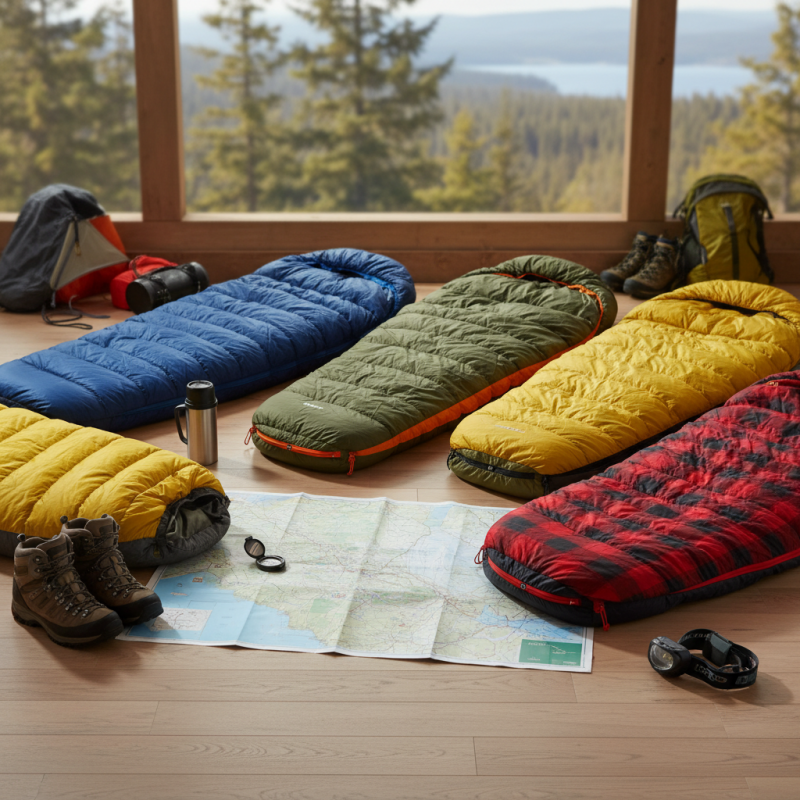
When choosing a camping sleeping bag, understanding the different types is crucial. There are primarily three main categories: rectangular, mummy, and semi-rectangular bags. Rectangular bags offer more space and comfort. They are ideal for car camping where weight isn't an issue. Mummy bags, however, hug the body closely. They are great for backpacking due to their lightweight nature and thermal efficiency.
Semi-rectangular bags strike a balance between comfort and warmth. They provide extra room but still retain some insulation properties. The shape can affect your sleep quality. If you tend to move around a lot, a rectangular bag might be best. On the other hand, if you need warmth in a cold climate, a mummy bag is the better choice.
Consider insulation types too. Down insulation is lightweight and compressible. It provides excellent warmth but can be pricey. Synthetic insulation, while heavier, dries quickly and is often more affordable. Each has its pros and cons, and finding the right fit for your needs requires careful thought. Don't rush this decision; it truly impacts your outdoor experience. Reflect on your camping habits, and choose wisely.
Evaluating Temperature Ratings for Your Sleeping Bag Selection
When choosing a sleeping bag, temperature ratings play a critical role. Not all bags are designed for every climate. Temperature ratings indicate the lowest temperature at which the bag will keep you warm. This is essential for ensuring a comfortable night’s sleep.
According to industry data, a sleeping bag's comfort rating may be up to 10°F higher than its lower limit. For example, if a bag is rated at 20°F, it may be comfortable at temperatures as low as 30°F. This means choosing wisely can make a significant difference. Ideally, you want a sleeping bag that matches the conditions you expect. A bag that is too warm leads to discomfort. Conversely, a bag that is too cold can be dangerous.
Consider your camping destinations. If you plan to camp in varied climates, versatile options are best. However, if you're always in warm spots, there's no need for a heavy winter bag. Many campers overlook this aspect, leading to regret on chilly nights. Use this information to guide your selection. A well-chosen sleeping bag enhances your outdoor experience.
Top Tips for Choosing the Best Camping Sleeping Bag
| Sleeping Bag Type | Temperature Rating (°F) | Weight (lbs) | Shape | Insulation Type |
| Mummy | 20 | 3.5 | Mummy | Down |
| Rectangular | 40 | 4.0 | Rectangular | Synthetic |
| Semi-Rectangular | 30 | 3.0 | Semi-Rectangular | Synthetic |
| Sleeping Bag with Zip | 25 | 3.8 | Mummy | Down |
| Double Sleeping Bag | 50 | 6.0 | Rectangular | Synthetic |
Choosing the Right Material for Insulation and Comfort
Choosing the right material for insulation in a sleeping bag can significantly impact your camping experience. The insulation material determines warmth and weight. Synthetic materials are popular for their moisture resistance. They dry quickly and are often less expensive. However, down insulation provides better warmth-to-weight ratios. According to a study by the Outdoor Industry Association, approximately 65% of campers prefer down for its lightweight benefits.
Comfort is also critical. The inner lining's material influences your overall experience. Soft fabrics create a pleasant touch against the skin. Users often report better sleep quality with softer linings, but these can wear out faster. It’s important to balance comfort and durability when making a choice. Some users find that certain materials irritate their skin, leading to restless nights.
Temperature rating is another aspect affected by insulation material. Bags with higher quality insulation keep you warmer at lower temperatures. A research report from the American Camping Association indicates that 80% of campers underestimate the importance of appropriate insulation. In colder environments, selecting the right material can mean the difference between a great night’s sleep and a miserable one.
Considering Size and Weight for Easy Portability
Choosing the right camping sleeping bag involves serious consideration of size and weight. A good sleeping bag should not only keep you warm but also be easy to transport. According to a recent outdoor gear report, nearly 70% of campers prioritize portability when selecting their equipment. Lighter bags, typically weighing under 3 lbs, significantly ease long hikes.
When shopping for a sleeping bag, pay attention to dimensions. A compact bag can fit nicely into a backpack. Look for a length under 10 inches when compressed. Many modern bags offer compression sacks that help reduce volume. However, squeezing too tightly may damage insulation, which is something to consider.
Storage space is often limited in a vehicle or at a campsite. Therefore, choosing a bag that balances warmth and space efficiency is key. According to a survey, 60% of campers struggle with bulky gear. Opt for materials that are lightweight yet durable to ensure your investment lasts. Every detail matters when you’re trekking miles into the wilderness. Think carefully.
Additional Features to Look for in a Quality Sleeping Bag
When selecting a sleeping bag, consider additional features that enhance comfort and usability. Look for temperature ratings to ensure warmth. A bag rated for colder conditions is wise for unpredictable weather. Features like hoods and draft collars can provide extra insulation. They help trap heat, making chilly nights more bearable.
Pockets are another valuable addition. A small pocket for essentials can keep items close. This can be helpful for storing your phone or snacks. Zippers should be easy to operate, even with gloves on. A snag-free design can save time and frustration. Check the quality of the fabric too. Water-resistant materials are useful when camping in moist environments.
Reflect on the size and weight of the bag. It should fit your body comfortably without excess bulk. A larger bag may be cozy but can add unwanted weight. Consider a compression sack for easy packing. Sleeping bags often come in various shapes. Each offers different levels of warmth and space. Choose one that suits your camping style.