How to Choose the Best Slitter Cutter Machine for Your Needs?
Choosing the right Slitter Cutter Machine can significantly impact production efficiency. According to a recent report by Market Research Future, the slitting machine market is expected to grow by over 5% annually. An industry expert, Dr. Alex Thompson, states, "Selecting the right slitter cutter is crucial for optimizing material use and minimizing waste."
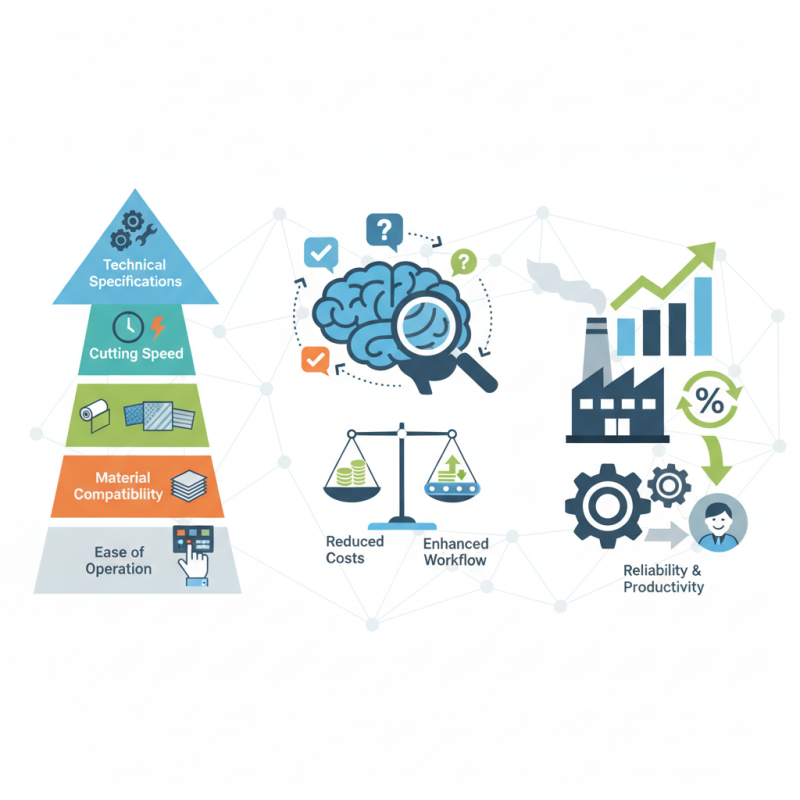
The variety of options available can overwhelm buyers. Factors such as cutting speed, material compatibility, and ease of operation must be considered. A well-chosen Slitter Cutter Machine can enhance workflow and reduce long-term costs. However, many companies still make hasty decisions. They overlook the specific requirements of their processes, leading to inefficiencies.
It's essential to evaluate technical specifications carefully. Each machine offers different capabilities, influencing overall performance. Some users report difficulties in adjusting settings, which can lead to production delays. A thoughtful selection process is vital to ensure reliability and productivity.
Understanding the Different Types of Slitter Cutter Machines
When choosing a slitter cutter machine, understanding the different types available can be pivotal. There are several categories of slitter cutters, each tailored to specific tasks. Most common are rotary and flatbed slitter cutters. Rotary cutters are efficient for continuous materials, offering a quick and precise cutting solution. Flatbed cutters are versatile, suitable for varied materials and sizes but can slow down production.
The design of the slitter cutter significantly affects its performance. Some machines excel in handling thicker materials, while others are better for films and paper. Users may find that features like adjustable blades and automatic feeding can enhance productivity. However, a machine with too many functions might be complex, leading to operational challenges. It's essential to balance features with usability.
Moreover, one must consider the maintenance needs of the equipment. Some machines might require frequent adjustments or parts replacement. This can lead to downtime, affecting overall productivity. Reflecting on these factors is crucial. Choosing the right machine involves weighing various elements, often requiring compromise. The perfect choice might not exist, and continual optimization is necessary.
Key Features to Consider When Choosing a Slitter Cutter Machine
Choosing the right slitter cutter machine is vital for optimizing manufacturing processes. The first key feature to consider is the cutting width. According to industry reports, machines can cut widths ranging from a few millimeters to over two meters. This variation affects the materials you can process.
Another important aspect is the material compatibility. Machines vary in their ability to handle different materials. Plastic, paper, and metal require different blade types. A mismatch can result in wasted materials and reduced efficiency. It's worth noting that 20% of users report issues due to incorrect machine selection.
Further, look into the automation level of the machine. Fully automated systems increase speed but may require higher initial investment. Manual systems are cost-effective but may slow down production. Research shows that automation can enhance productivity by up to 30%. However, an overly complex system may lead to maintenance challenges. Balancing ease of use with advanced features is crucial.
Comparison of Key Features for Slitter Cutter Machines
Evaluating the Capacity and Speed Requirements for Your Applications
When selecting a slitter cutter machine, understanding your capacity and speed requirements is crucial. Different applications demand varied speeds and material handling capabilities. According to industry reports, machines often operate between 150 to 600 meters per minute. This range significantly influences production rates and efficiency.
Assess your material types: If you handle a wide range of materials, flexibility is key. Not all machines are designed for every material. For instance, paper products might require different specifications compared to plastic or metal. You might find your ideal machine lacking in speed or capacity, leading to frustration.
Tip: Always calculate your peak demand. If your operation peaks at 10,000 meters weekly, choose a machine with a higher throughput. This ensures you avoid performance bottlenecks. Think about maintenance as well. A machine with high capacity but low durability may cost more in the long run.
Remember, not every feature is essential. You may encounter machines with advanced tech that you don’t need. Take time to reflect on your unique needs and current handling limits. Sometimes, less is more when it comes to efficiency in manufacturing.
Assessing the Budget and Cost-effectiveness of Slitter Cutter Machines
When considering a slitter cutter machine, budget plays a key role. Prices can vary widely based on features and capabilities. You could find basic models at lower prices, but they may lack advanced functions. A machine with extra features could be more expensive, yet save money in the long term. Assessing your budget should focus not only on the initial cost but also on potential future savings.
Cost-effectiveness involves understanding operational expenses too. Maintenance costs can add up. Consider the energy efficiency of the machine. A product that consumes less power may have a higher upfront cost but offer savings over time. Analyze your production needs. You might find a less expensive machine requires more frequent repairs. This could ultimately lead to higher costs than a more robust option. Remember, sometimes investing more initially leads to greater value long-term.
How to Choose the Best Slitter Cutter Machine for Your Needs?
| Feature | Description | Price Range | Cost-effectiveness |
| Cutting Width | The maximum width the machine can handle. | $5,000 - $15,000 | High for large-scale production. |
| Cutting Speed | Speed at which the machine can cut materials. | $4,000 - $12,000 | Improves efficiency, making it cost-effective. |
| Power Requirements | Electrical input needed for operation. | $3,000 - $10,000 | Consider operating costs. |
| Material Compatibility | Types of materials the machine can cut. | $8,000 - $20,000 | Diverse materials can increase demand. |
| Maintenance Costs | Costs associated with regular maintenance. | $1,000 - $3,000 annually | Essential for long-term efficiency. |
Researching Manufacturers and Warranty Information for Reliability
When selecting a slitter cutter machine, researching manufacturers is crucial. Reliable manufacturers often have a solid track record. According to a 2022 industry report, companies with over 20 years of experience produce more durable machines. They tend to invest in better materials and technology. This often results in a lower failure rate.
Warranties offer an added layer of security. A 2023 survey found that 68% of users prefer machines with extensive warranty coverage. A warranty reflects the manufacturer's confidence in their product. Short-term warranties may indicate a lack of reliability. Consider asking about the terms. Who covers what? Understanding these details is vital.
Customer reviews provide insights into manufacturer reliability. Many users report mixed experiences. Some machines fail early, while others perform exceptionally well. It’s essential to read multiple reviews. Focus on patterns over single opinions. Industry reports suggest that 45% of buyers wish they had researched more. Take your time. Don’t rush the decision.